What Happens During a Soft Wash, Step by Step
You've booked a roof clean, or you're thinking about it, and you're wondering what actually happens on the day. Will there be scaffolding everywhere? A pressure washer roaring for hours? A mess left all over your Aylestone drive?
A soft wash is calmer and more careful than most people picture. Knowing the steps helps you understand why it's the safe way to clean a Leicester roof, and why the results outlast a quick blast. Here's how a typical visit unfolds from start to finish.
The quick answer: A soft wash means inspecting the roof, clearing loose moss by hand, applying a low-pressure biocide that kills the growth at the root, then leaving it to weather away over the following weeks.
1. The inspection and setting up safely
Every job starts with a proper look. Before anyone touches the roof, the cleaner checks the pitch, the state of the tiles, any cracked or slipped ones, and where the moss is heaviest. On an older Leicester terrace with original slate, this first look decides how gently the whole job needs to be handled.
Then comes safe access. Ladders are secured, footing is checked, and the ground below is kept clear. On a tight mid-terrace in Highfields with a narrow shared entry, this setup takes a little care, and it's time well spent before any water goes near the roof.
2. Clearing the loose moss by hand
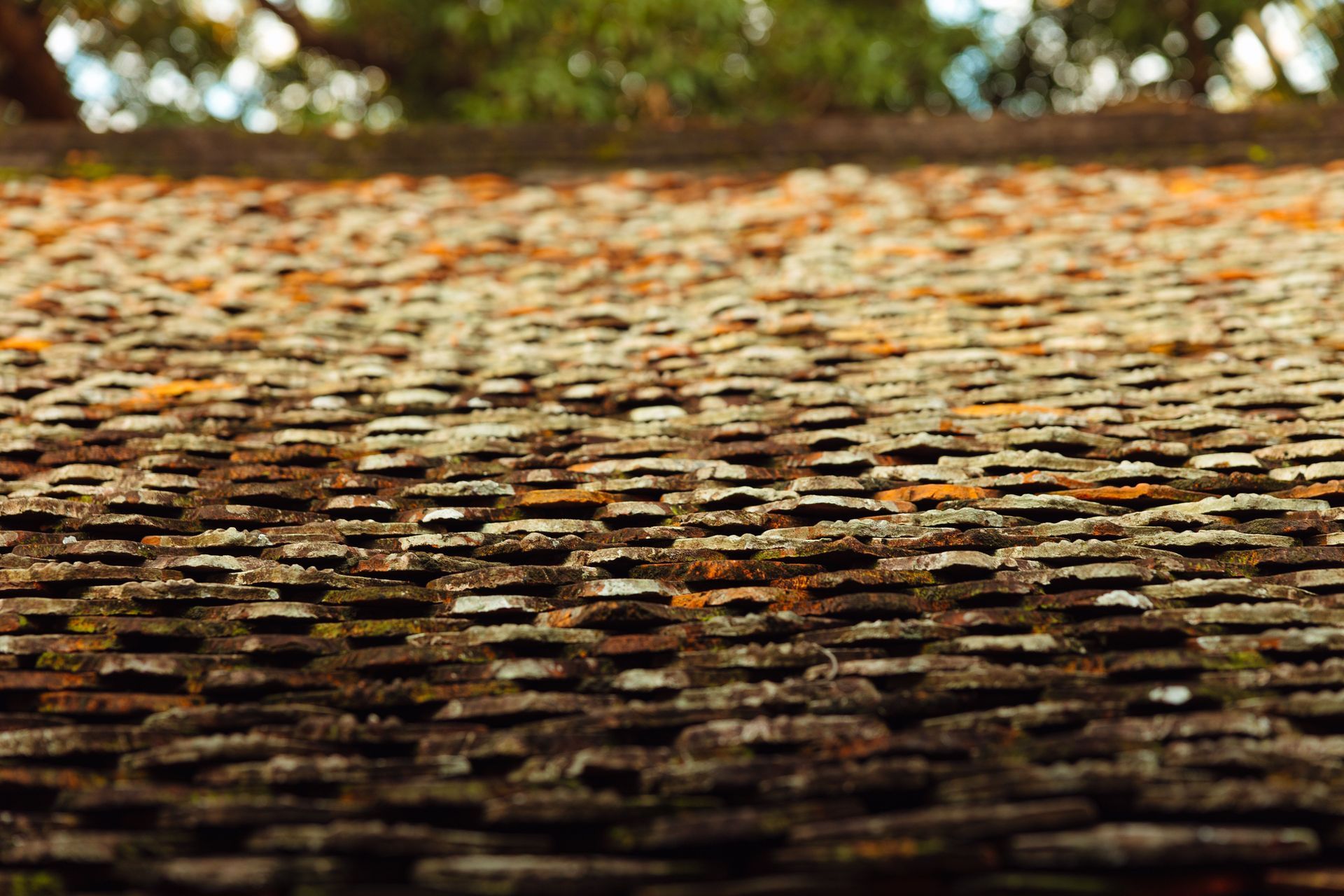
Thick moss gets cleared gently first, usually scraped or brushed off by hand rather than blasted. Taking it off carefully protects the tile surface underneath, which matters a great deal on the weathered clay and Swithland slate you find across the older parts of the city.
This is the stage that produces the visible pile of debris. Clumps of moss come away and drop to the ground or into the gutters, ready to be gathered up later. It's oddly satisfying to watch, and it's far kinder to the roof than a high-pressure jet tearing the same moss away.
3. Applying the low-pressure biocide
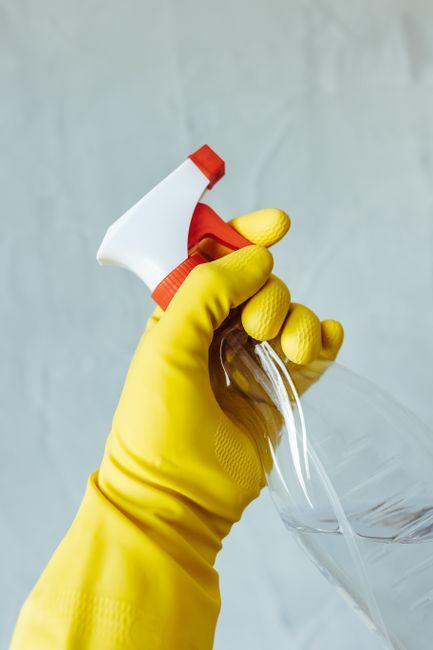
With the loose growth gone, the biocide goes on. This is sprayed at low pressure across the whole roof, soaking into the algae, lichen and any moss that remains. There's no roar of a pressure washer here, just an even application that coats the tiles without forcing water beneath them.
Low pressure is the whole point. It means the treatment can be used safely on the fragile older roofs common around Leicester without cracking a tile or driving damp into the loft. The chemistry does the hard work, not brute force.
4. Letting the treatment do the work
Here's the part that surprises people: the roof doesn't look perfect the moment the cleaner drives away. The biocide keeps working for weeks after the visit, killing off the algae and remaining growth so it dies back and washes away with the rain.
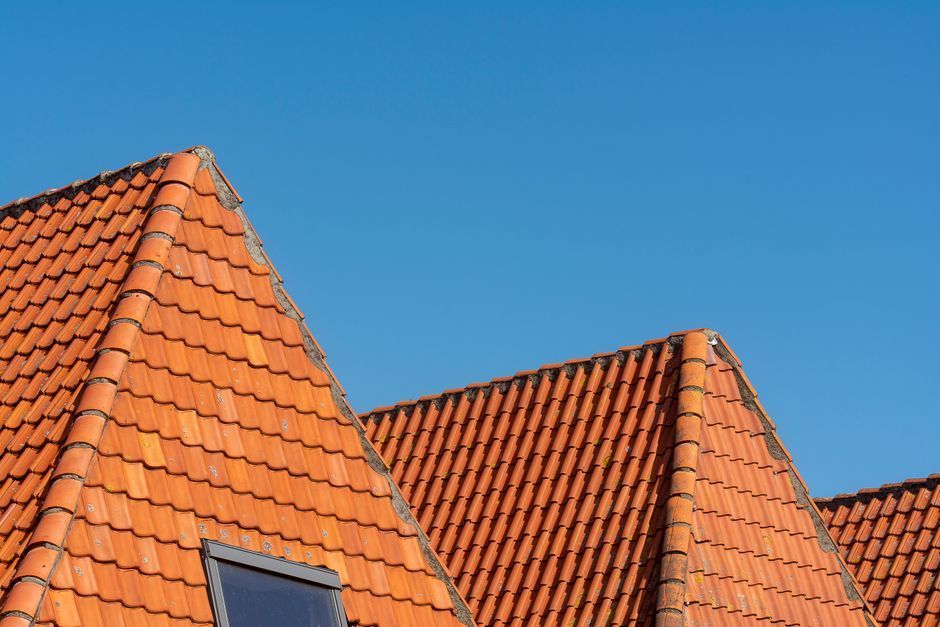
That slow finish is a good sign, not a bad one. Because the growth is being killed at the root rather than just knocked off, a Leicester roof treated this way stays clear far longer, especially on those damp shaded slopes near the Soar valley that green up so readily.
5. The gutters and the tidy-up
All that cleared moss has to go somewhere, and a good cleaner won't leave it behind. The gutters get cleared of the debris that's fallen into them, which is worth doing anyway since blocked gutters cause damp problems of their own on Leicester's older houses.
The ground gets tidied too, with fallen moss raked up and carried away. You should be left with a clean drive and borders, not a green heap by the back door. A proper finish is part of the job, not an optional extra you have to ask for.
6. What to expect in the weeks after
Over the following weeks, you'll see the roof keep improving as the dead growth weathers off. The dark algae streaks fade, the last of the moss drops away, and the tiles gradually come back to something close to their original colour.
A follow-up or a light maintenance visit down the line keeps it that way. With the damp East Midlands climate always nudging moss back onto shaded roofs, staying ahead of it is far easier than starting over, and your roof stays clean for years rather than months.
- Inspection: The roof is checked for damage and moss before any work starts.
- Hand clearing: Thick moss is removed gently to protect the tiles.
- Biocide: A low-pressure treatment kills algae and moss at the root.
- Patience: The roof keeps clearing for weeks as the growth dies back.
- Tidy finish: Gutters and ground are cleared before the cleaner leaves.
Frequently Asked Questions
Does a soft wash use any pressure at all?
Only very low pressure to apply the treatment and rinse where needed. It's nothing like a jet wash, which is exactly what keeps older Leicester tiles and slate safe.
Why doesn't my roof look perfect straight away?
Because the biocide keeps killing the growth for weeks after the visit. The roof carries on clearing as the dead algae and moss weather away in the rain.
How long does a soft wash take?
Most homes are done within a day, though a large or heavily overgrown roof takes longer. The inspection and safe setup are part of that time and shouldn't be rushed.
Will the treatment harm my plants?
A careful cleaner protects borders and rinses down as needed. Let them know about any prized plants near the downpipes so they can take extra care around them.
Do you clean the gutters as part of it?
The moss cleared from the roof is taken out of the gutters as part of a thorough job, and full gutter cleaning can be included so the whole system flows freely again.
Ready for a proper, careful roof clean?
Ben's Roof Cleaning offers roof cleaning, moss removal and gutter cleaning across Leicester and Leicestershire, with over 15 years of experience. Get in touch or call 0116 216 7398
for a free, no-obligation quote.
Careful Beats Quick Every Time
A soft wash isn't about speed, it's about doing the job in a way that protects your roof while it cleans it. Every step, from the first inspection to the final tidy-up, is built around treating the growth properly rather than simply making it disappear for a few months.
That's why it suits Leicester's mix of old slate and weathered tile so well. Give the treatment time to work and you'll have a roof that stays clean, and tiles that are none the worse for it.