Lichen on Your Roof and Why It's So Stubborn
You may have spotted crusty grey or pale orange patches on your roof tiles that look almost painted on, and no amount of rain seems to shift them. That is lichen, and of all the things that grow on a roof, it is the one that clings the hardest and gives the most trouble.
Moss you can often see and understand, but lichen is stranger and far more stubborn. It bonds to the tile in a way that makes it genuinely difficult to remove, and knowing what it is and why it holds on so tightly helps explain why it needs proper treatment rather than a quick scrub.
The quick answer: Lichen is a tough, slow-growing organism that bonds tightly to the tile surface, which is why it resists rain and scrubbing and needs a proper biocide treatment to break down and clear over time.
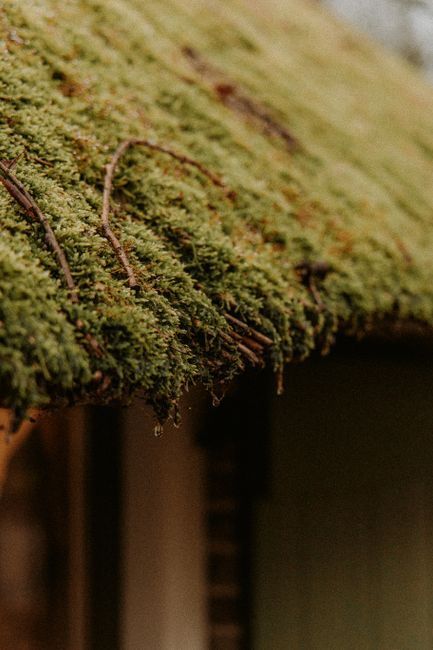
1. What lichen actually is
Lichen is not a single plant but a partnership between a fungus and an alga living together as one organism. The fungus gives the structure and grips the surface, while the alga makes food from sunlight, and together they can survive in tough, exposed spots where little else grows.
On a roof it shows up as those flat, crusty rosettes in grey, green or orange, spreading slowly across the tiles. It is remarkably hardy, shrugging off drought, frost and sun that would see off softer growth, which is part of why it settles in for the long haul on a Leicester roof.
2. Why it clings so hard
The reason lichen is such a pain to remove comes down to how it attaches. The fungal part sends structures right into the surface of the tile, anchoring itself and even etching slightly into the material, so it is not simply sitting on top the way loose moss is.
That deep grip is why rain never washes it away and why scraping at it just breaks bits off while leaving the anchored base behind. On the porous slate and clay tiles common across older Leicester homes, lichen finds plenty of texture to lock onto, making it even harder to shift.
3. How lichen differs from moss and algae
All three grow on roofs, but they behave quite differently. Algae is the flat green or black staining that spreads in a thin film, moss is the soft green cushion that builds up in clumps, and lichen is the hard, crusty growth that sits tight and flat against the tile.
Because it grows slowly and holds on so firmly, lichen is usually the last to appear and the most awkward to clear. A roof in the damp streets of Highfields or Stoneygate might carry all three at once, with the lichen being the growth that lingers longest after a poor clean.
4. Why Leicester roofs are prone to it
Lichen likes clean, damp air and undisturbed surfaces, and much of Leicester provides exactly that. The Soar valley keeps roofs damp, and the older residential streets have plenty of long-settled tiles that have not been touched in years, giving lichen the time and moisture it needs.
The age of the tiles is a big factor. Century-old slate on the terraces of Clarendon Park and Aylestone has a weathered, pitted surface that lichen grips easily, and the drier East Midlands air, far from clean-air pollution of decades past, actually suits many lichen species rather well.
5. Why you cannot just scrape it off
It is tempting to attack lichen with a stiff brush or a scraper, but that rarely works and often does harm. You break off the surface crust while the anchored base stays put, ready to regrow, and you risk scratching and damaging the tile underneath as you go.
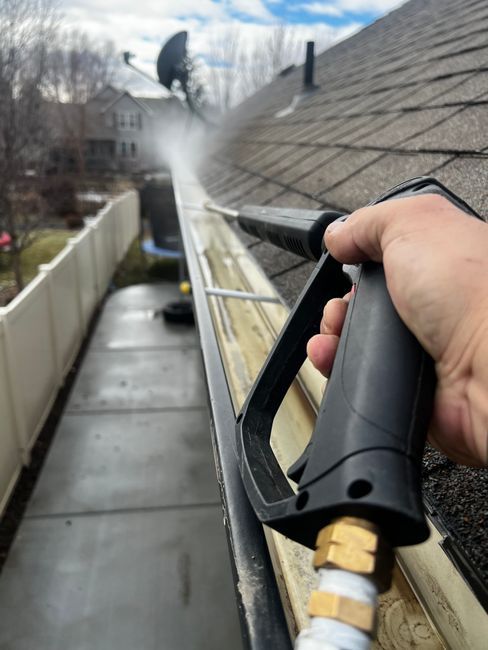
Pressure washing is worse still. Blasting lichen off with a jet strips the tile surface along with it, and on brittle old Leicester slate that leaves the tile more porous and more prone to fresh growth than before. Force is exactly the wrong approach for something this well anchored.
6. How lichen is properly dealt with
The effective route is chemical rather than physical. A biocide treatment breaks the lichen down at its root over time, killing the organism so it loses its grip, after which the weather gradually lifts the dead remains away over the following weeks and months.
This is where patience pays off. A treated lichen-covered roof will not look pristine the same day, but as the biocide does its work and the Leicester rain rinses the tiles, the crusty patches fade and clear far more thoroughly than any scrubbing could manage, without harming the tile.
- A dual organism: Lichen is a fungus and an alga living as one, which makes it exceptionally hardy.
- Deep anchoring: It grips into the tile surface, so rain and scraping cannot shift it.
- Slow and stubborn: It grows slowly and is the most awkward roof growth to clear.
- Leicester conditions: Damp valley air and old porous tiles suit lichen well.
- Biocide, not force: A proper treatment breaks it down over time without damaging the tile.
Frequently Asked Questions
What is the crusty grey growth on my roof tiles?
That is lichen, a hardy organism made of a fungus and an alga together. It forms flat, crusty patches in grey, green or orange and bonds tightly to the tile, which is why it looks almost painted on.
Why won't rain wash the lichen off?
Because it is anchored into the tile surface, not sitting loosely on top. The fungal part grips into the material, so rain runs straight over it without lifting it, unlike loose moss which can wash into the gutters.
Can I scrape or brush lichen off myself?
It is not advised. Scraping only removes the surface and leaves the anchored base to regrow, and it can scratch the tile. On brittle old Leicester slate you risk more damage than progress, so a biocide treatment is the better route.
Is lichen harmful to my roof?
It is more unsightly than immediately damaging, but over years its grip and the moisture it holds can wear at the tile surface. Clearing it protects the look of the roof and keeps the tiles in better shape.
How long does lichen take to clear after treatment?
Weeks to months rather than days. A biocide kills it off, then the weather gradually washes the dead lichen away, so the roof keeps improving for some time after the treatment rather than clearing all at once.
Stubborn lichen taking hold up top?
Ben's Roof Cleaning treats lichen, moss and algae across Leicester and Leicestershire, with over 15 years of experience. Get in touch or call 0116 216 7398
for a free, no-obligation quote.
Patience beats force with lichen every time
Lichen earns its reputation as the most stubborn thing on a roof, and it is easy to see why once you understand how it grips. Scrubbing and blasting only make things worse, while a proper biocide treatment quietly breaks it down and lets the weather finish the job. On the damp, aged roofs of Leicester it is a common sight, and dealt with the right way, even the most set-in lichen clears in the end.