How Blocked Gutters Lead to Damp Walls
You might never give your gutters a second thought until a dark patch appears on an inside wall, or the render outside starts looking permanently wet. By then the gutter has usually been failing quietly for months. That little channel does a much bigger job than most people realise.
When a gutter blocks, water stops going where it should and starts running down your walls instead. Over a wet Leicester winter, that constant soaking is exactly how damp gets into a house. Here's how a simple blockage turns into a real problem.
The quick answer: Blocked gutters overflow and send rainwater cascading down your walls, and that constant wetting soaks through the brickwork until damp patches appear inside your home.

1. What your gutters are actually there for
Gutters have one job, and it's an important one: catch the rain running off your roof and carry it safely down and away from the house. Done right, the water goes into the downpipe and off to the drain, and your walls stay dry through the worst of the weather.
On a rainy day in Leicester, a surprising amount of water comes off even a modest roof. All of it is meant to funnel through those narrow channels, so when they can't cope, that volume has to go somewhere, and it's rarely anywhere good.
2. How a blockage quietly starts
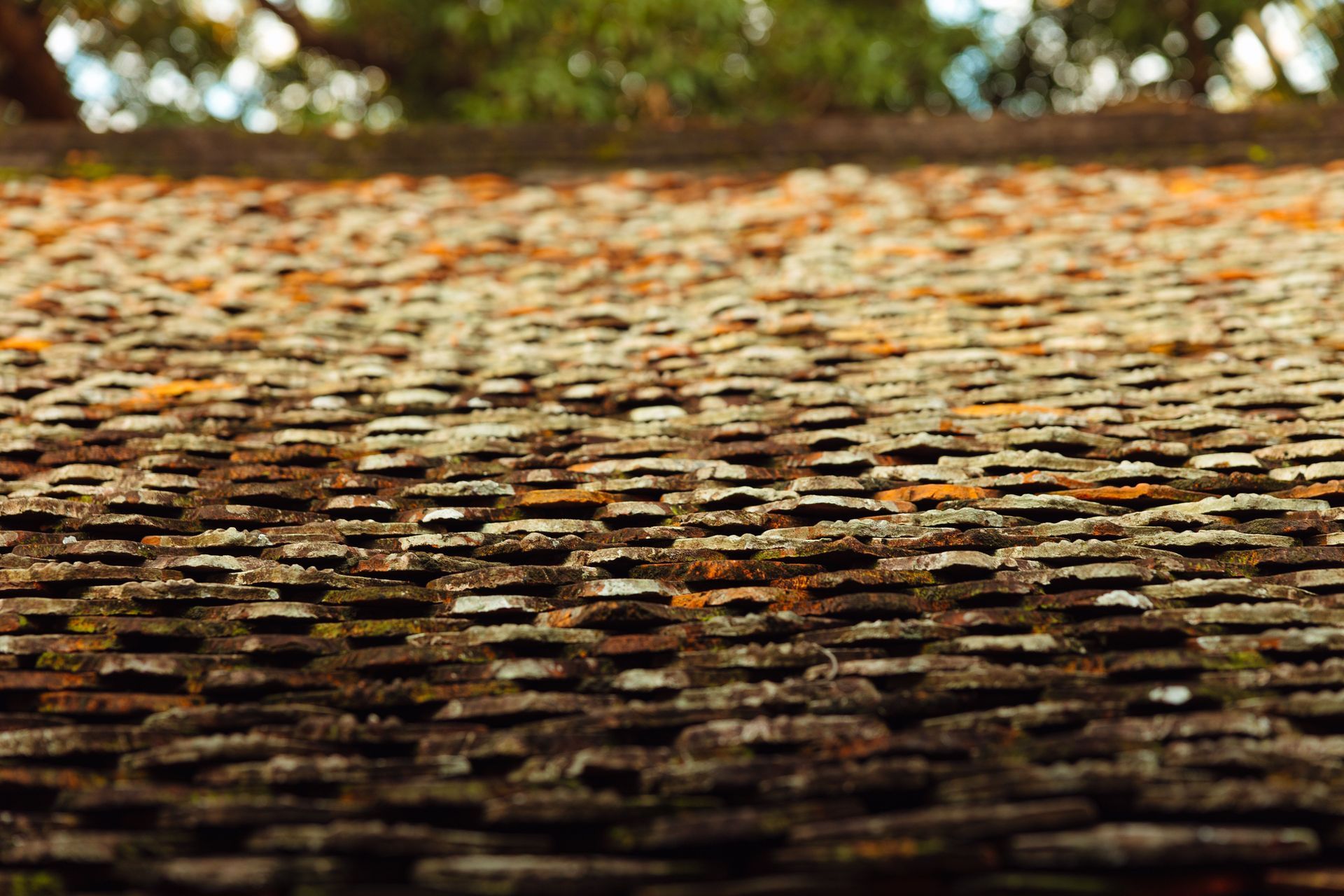
Most blockages build up slowly from leaves, moss and grit. Moss washed down off the roof during rain is a big culprit, especially on Leicester's older terraces where the slopes carry plenty of it, and it settles into the gutter and packs down over time.
Autumn is the danger season. The mature trees around suburbs like Knighton and Stoneygate drop leaves straight into the guttering, and once a downpipe opening clogs, everything else backs up behind it. What starts as a handful of debris becomes a solid dam.
3. The path from overflow to damp wall
When a gutter can't drain, the water rises and spills over the edge. Instead of running down the pipe, it sheets down the outside wall, hour after hour, every time it rains. That's the moment a gutter problem quietly becomes a wall problem.
Brick and render are not meant to be soaked like that. Constant running water works into the surface, and over weeks it saturates the wall right through. Once the outside is wet enough for long enough, that moisture makes its way to the inside face, and damp appears.
4. Signs your gutters are already causing damage
There are tell-tale signs worth watching for. Green algae streaks or staining running down the wall below a gutter joint, render that stays dark and wet long after the rain has stopped, and plants sprouting from the gutter itself all point to a blockage.

Inside, look for damp patches on upstairs walls, peeling paint, or a musty smell in a back bedroom. On a Leicester terrace, damp often shows up first on the shared or shaded wall that never gets a chance to dry out between showers.
5. Why Leicester's older houses are vulnerable
The city's Victorian and Edwardian terraces were built with solid walls rather than the cavity walls of newer homes. A solid brick wall has no gap to stop moisture crossing from outside to in, so once it's soaked by an overflowing gutter, damp comes through more readily.
Add the East Midlands rainfall and the damp drifting off the Soar valley, and these walls rarely get a proper chance to dry. In older parts of Highfields and Aylestone, a neglected gutter and a solid wall are a combination that lets damp settle in fast.
6. Keeping gutters clear before damp sets in
The fix is refreshingly simple: keep the gutters clear. A clean-out once or twice a year, and especially after the autumn leaf fall, keeps the water flowing where it should and your walls dry. It's a small job that heads off a very expensive one.
It pairs naturally with roof cleaning, since clearing moss off the roof stops it washing into the gutters in the first place. Stay on top of both and you break the chain before it ever reaches your walls. Damp is far easier to prevent than it is to cure.
- The job: Gutters carry roof rainwater safely down and away from the house.
- The blockage: Leaves, moss and grit build up and dam the flow.
- The overflow: Water spills over and sheets down the wall instead.
- The damp: Constant soaking works through brick and render to the inside.
- The fix: Regular clearing keeps water flowing and walls dry.
Frequently Asked Questions
Can blocked gutters really cause damp inside?
Yes, and it's one of the most common causes. Overflowing water soaks the outside wall repeatedly until moisture works through to the inside, showing as damp patches and peeling paint.
How often should I clear my gutters?
Once or twice a year for most homes, and always after autumn. Houses near mature trees in areas like Knighton may need clearing more often as they catch more falling leaves.
Why do my gutters block up so quickly?
Usually moss washing down off the roof and leaves from nearby trees. On older Leicester roofs that shed a lot of moss, gutters fill faster than you'd ever think.
Is it the gutter or rising damp?
They can look similar inside, but damp high on a wall or below a gutter line usually points to overflow rather than rising damp. Checking the gutter is a sensible first step.
Can you clean the roof and gutters together?
Yes, and it makes real sense to. Clearing the roof moss and the gutters on one visit stops the moss simply washing down and blocking the gutters all over again.
Worried your gutters are causing damp?
Ben's Roof Cleaning offers roof cleaning, moss removal and gutter cleaning across Leicester and Leicestershire, with over 15 years of experience. Get in touch or call 0116 216 7398
for a free, no-obligation quote.
Clear Gutters Keep Damp Outside
A blocked gutter seems like a minor thing right up until the water it can't handle starts coming through your wall. On Leicester's solid-walled terraces, that journey from overflowing channel to damp bedroom can happen over a single wet winter if nothing is done.
The good news is that it's entirely preventable. Keep the gutters clear, keep the moss off the roof that feeds them, and the rain goes where it's meant to. Your walls stay dry, and damp stays firmly on the outside where it belongs.