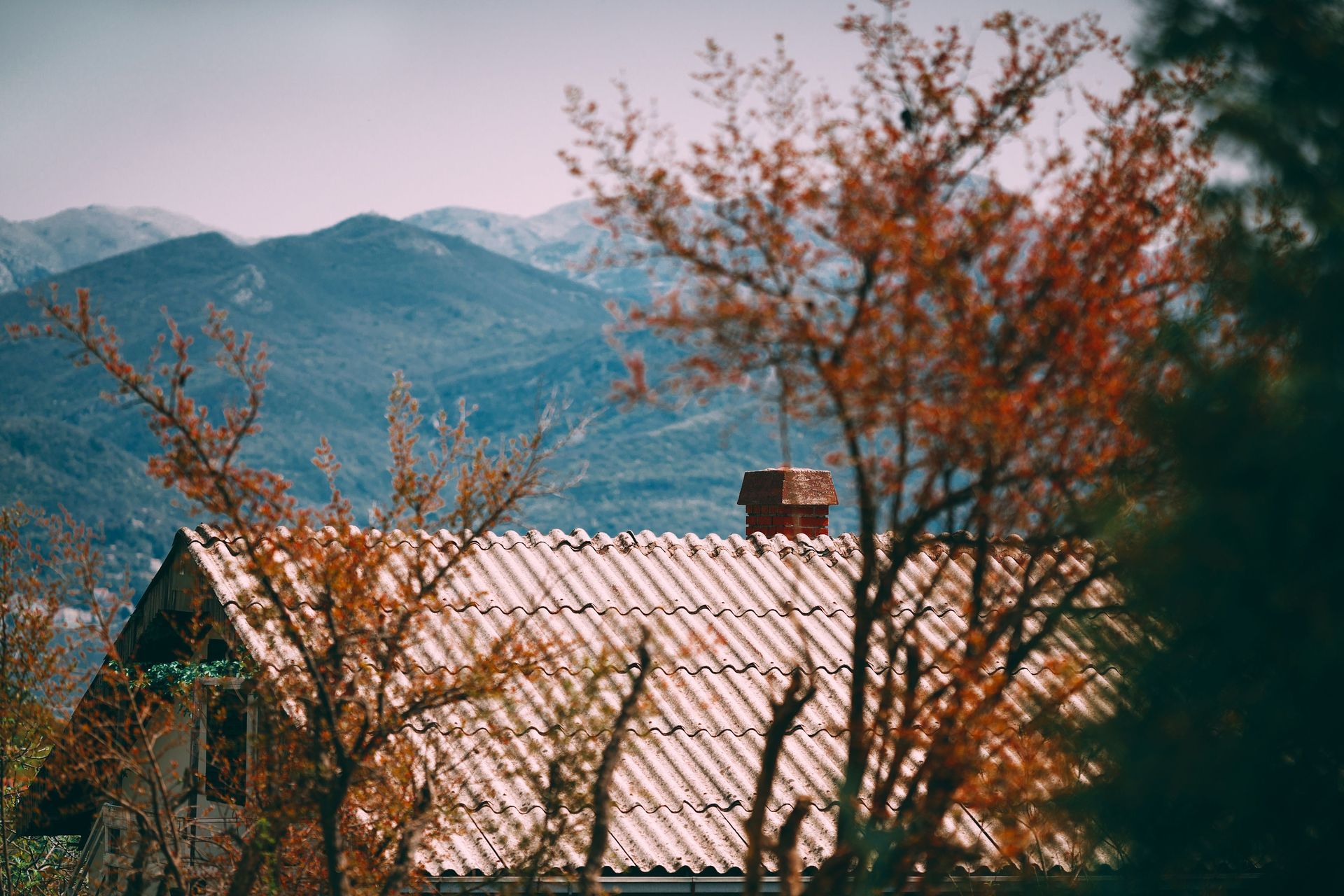
Giving Your Roof a Spring Check After Winter
When the worst of the winter weather finally lets up, your roof has quietly taken a beating for months. Frost, wind and weeks of rain all leave their mark, and the damage is easy to miss until it turns into a leak or a damp patch on the landing ceiling.
Spring is the natural time to give it a proper look. The weather is kinder, the growth on the tiles is easy to see, and you have got the whole drier stretch of the year ahead to sort out anything that needs doing. A short check now saves you from finding out the hard way next autumn.
The quick answer: Once winter eases, look over your roof and gutters from the ground for slipped tiles, blocked or sagging gutters, and heavy moss, and get anything you cannot see clearly checked properly before the next wet season sets in.
1. Why winter is so hard on a roof
Cold weather does its damage slowly and out of sight. Water works into tiny cracks in tiles and pointing, freezes, expands and opens them wider, and after a Leicester winter of repeated frosts a hairline crack can become a real gap.
Wind plays its part too. The gales that sweep across the East Midlands lift and shift tiles, and a slate that has slipped even slightly leaves a route in for water. By spring you may have several small faults that were not there in October.
2. Start from the ground with binoculars
You do not need to climb anything to make a good start. Stand back in the garden or across the street with a pair of binoculars and work slowly along the roof, looking for anything that breaks the neat lines of the tiles.
On a typical Leicester terrace in somewhere like Clarendon Park, you can often see the whole slope from the pavement opposite. Look for gaps, tiles sitting at odd angles, and dark patches of growth, and note anything that looks out of place for a closer inspection.
3. Check the gutters and downpipes
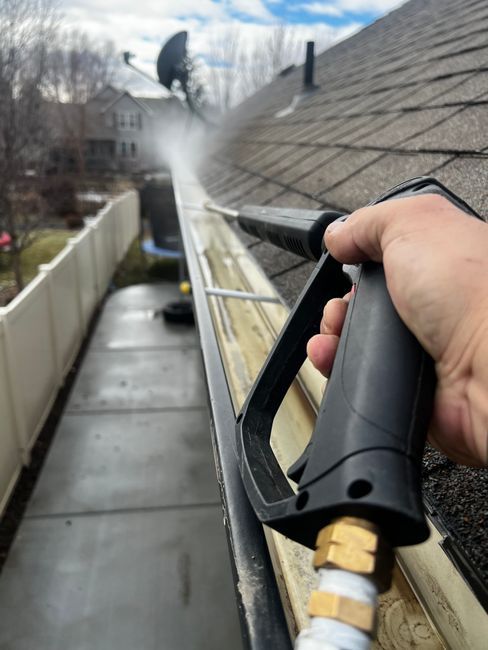
Winter fills gutters with everything the wind brings down, and by spring they are often packed with rotted leaves and grit. Watch them during a shower if you can, since water spilling over the front edge instead of running to the downpipe is a clear sign of a blockage.
Streets around Stoneygate and Knighton are lined with mature trees, so gutters there fill fast. Check the downpipes run freely and that the brackets still hold everything firm, because a sagging gutter tips water back towards the wall rather than away from it.
4. Look for slipped or cracked tiles
Slipped and cracked tiles are the faults most likely to let water in, so give them proper attention. A single displaced tile might not seem urgent, but it exposes the felt and timber underneath to every shower that follows.
Older Leicester roofs need extra care here. Many terraces still wear their original Welsh or Swithland slate, and decades of weather make individual slates brittle and prone to sliding once a fixing nail rusts through. Spotting one early is far cheaper than dealing with the leak it causes.
5. Moss and where winter left it
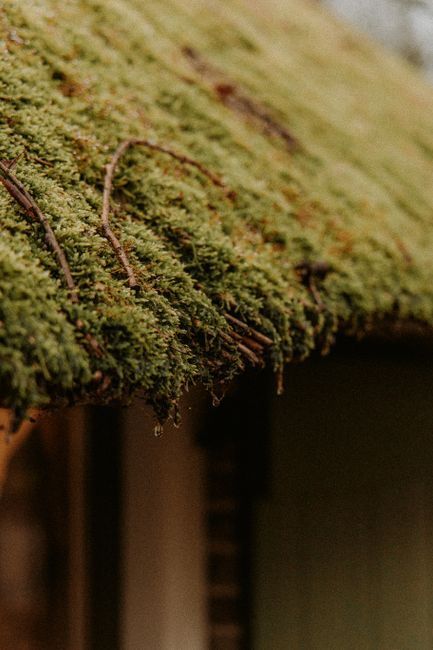
Moss loves the damp, and a wet winter feeds it well. By spring you can often see thick green growth along the shaded parts of the roof and packed into the gaps between tiles, holding water right where you least want it.
The Soar valley keeps Leicester roofs damper than the drier East Midlands average would suggest, and north-facing slopes stay wet longest. If the moss has spread noticeably over winter, spring is the ideal time to have it treated before it thickens further through the year.
6. Deciding what needs a professional
Some of what you find you can note and keep an eye on, but anything involving height or the actual roof surface is best left to someone equipped for it. Getting up on ladders to poke at slipped slates is where a lot of homeowners come unstuck, literally.
If your ground-level check throws up cracked tiles, heavy moss or gutters you cannot safely reach, that is the point to call someone in. A proper look from the roof, done safely, tells you exactly what needs doing before the next Leicester winter arrives.
- Frost damage: Repeated freezing widens cracks in tiles and pointing over the winter months.
- Gutter blockages: Rotted leaves and grit build up all winter and overflow towards the wall by spring.
- Slipped tiles: Wind shifts tiles and slates, leaving gaps that let water reach the timber below.
- Moss growth: Damp winters thicken moss on shaded slopes, holding moisture against the roof.
- Safe limits: Check from the ground and leave anything at height to a properly equipped professional.
Frequently Asked Questions
When is the best time for a spring roof check?
Any dry day once the frosts have passed, usually from March onwards. Doing it early in spring gives you the whole drier part of the year to arrange any work before autumn rain returns.
Can I check my own roof safely?
You can do plenty from the ground. Binoculars from the garden or the pavement opposite show most faults, but climbing onto the roof itself is genuinely risky and best left to someone with the right access equipment.
What are the most common problems after a Leicester winter?
Blocked gutters and slipped tiles top the list. Frost cracking and thickened moss on damp, shaded slopes are close behind, all made worse by the valley damp that hangs around city roofs.
Is moss in spring something to worry about?
It is worth acting on. Moss holds water against the tiles and blocks the flow off the roof, and spring growth only thickens through the year, so treating it early keeps it manageable.
My gutters overflow but look clear from below, why?
The blockage is often further along or in the downpipe where you cannot see it. Sagging brackets can also tip the gutter the wrong way, so it needs a proper look along its whole length to find the cause.
Roof come through winter looking rough?
Ben's Roof Cleaning handles roof cleaning, moss removal and gutter clearing across Leicester and Leicestershire, with over 15 years of experience. Get in touch or call 0116 216 7398
for a free, no-obligation quote.
A quick look now saves a bigger job later
Your roof carries you through the harshest months of the year, and spring is its chance to be checked over while the weather is on your side. Spend ten minutes with a pair of binoculars, watch the gutters in the next shower, and note anything that looks off. Catching a slipped slate or a spreading patch of moss now, while it is small, keeps your Leicester home dry and your repair bills down when the wet weather comes round again.